
By Abigail Mettry | Music Educator, Composer & Elementary Music Resource Creator
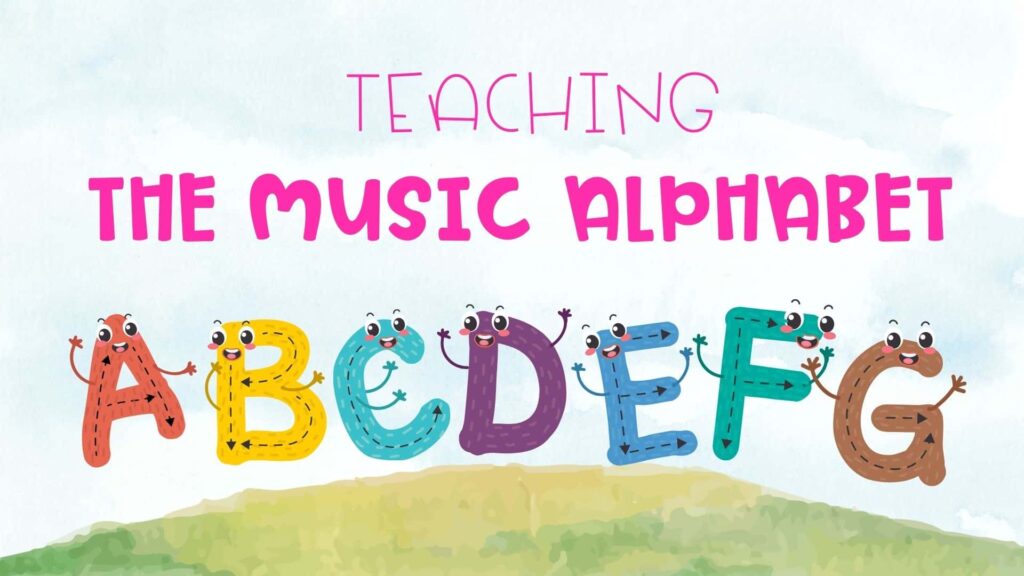
Before students can read music fluently, play an instrument, or understand how melodies work, they must first learn one essential concept: the music alphabet.
Just like learning to read words begins with the alphabet, learning to read music begins with understanding how musical letters work — A, B, C, D, E, F, and G — and how they repeat across the musical staff.
Yet this crucial step is often rushed, skipped, or taught through memorization alone. In this article, we’ll explore:
- What the music alphabet is
- Why research supports teaching music literacy step by step
- And how a strong understanding of the music alphabet sets children up for long-term success
What Is the Music Alphabet?
The music alphabet consists of seven letter names:
A – B – C – D – E – F – G
After G, the sequence starts again at A. This repeating cycle continues upward and downward across the piano keyboard, musical staff, and all instruments.
Understanding this pattern allows students to:
- Identify notes on the staff
- Recognize melodic direction (higher vs. lower)
- Begin reading music independently
Without this foundation, note-reading often feels confusing and inconsistent — especially for young learners.
Why Music Literacy Matters for Kids
Music literacy is more than just naming notes.
Research and classroom experience consistently show that students who understand how music works are more confident, independent musicians.
According to the National Association for Music Education, music education supports cognitive development, pattern recognition, and problem-solving skills — especially when students actively engage with musical symbols rather than passively memorizing them.
When children learn to read music step by step, they:
- Develop stronger memory and sequencing skills
- Make connections between sound and symbol
- Gain confidence when approaching new music
But none of this can happen without a solid understanding of the music alphabet.
Hands-On Learning Works Best
Children don’t learn the music alphabet well by simply being ‘told’ the seven letters.
They learn it best by:
- Moving notes with interactive materials
- Memorizing the pattern forward and backward
Hands-on, interactive activities help students internalize concepts and stay engaged — especially in elementary classrooms and homeschool settings.
This is why many educators now prioritize active learning strategies when introducing early music literacy concepts.
Start with a Free Music Alphabet Activity Packet
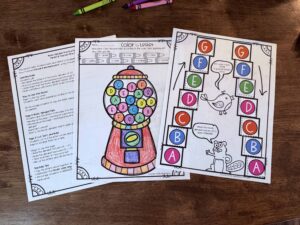
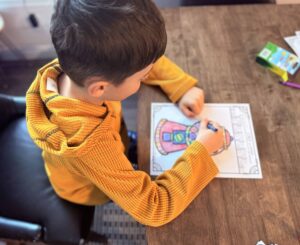
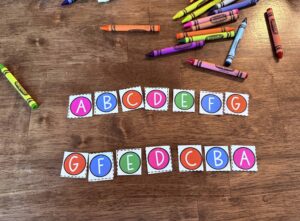
If you’re looking for a clear, child-friendly way to introduce the music alphabet, I’ve created a free music alphabet activity packet designed to build real understanding — not just memorization.
This lesson includes:
- An interactive introduction to the music alphabet
- Hands-on practice activities
- Printable resources to reinforce learning
- A foundation that leads naturally into reading the grand staff
Whether you’re a classroom teacher, homeschool parent, or private music instructor, this free lesson helps students take their first confident step into music literacy.

About the Author
Abigail Mettry is a music educator, composer, arranger, and pianist who creates engaging music resources for elementary classrooms and homeschool families. Her work combines music education with professional composing and arranging experience to help children build strong musical foundations. Learn more about Abigail.