
Abigail Mettry

Teaching Musical Styles Through Movement: A Fun Giraffes Can’t Dance Music Lesson for Kids

Looking for an engaging way to teach musical styles in elementary music class? One of my favorite ways to introduce genres, movement, listening, and cultural connections is through the beloved picture book Giraffes Can’t Dance by Giles Andreae. This story naturally lends itself to music and movement activities because each animal dances to a different musical style. […]

Teaching Musical Styles Through Movement: A Fun Giraffes Can’t Dance Music Lesson for Kids Read More »

Sequential Curriculum for the Music Classroom
Sei Sei Sei: A Fun Japanese Music Game for Elementary Students

Looking for a super-fun multicultural music activity that gets elementary students singing, moving, and actively participating? One of my all-time favorite elementary music games is Sei Sei Sei — a traditional Japanese-style music and movement game that works beautifully across multiple grade levels. It is a version of the well-known game Rock, Paper, Scissors. It combines steady

Sei Sei Sei: A Fun Japanese Music Game for Elementary Students Read More »

Sequential Curriculum for the Music Classroom
How to Make Classical Music Interesting for Kids (Without Extra Prep)

Classical music has incredible stories, emotions, and energy—but if you’ve ever pressed play for kids and watched their eyes glaze over, you’re not alone. Many children struggle with traditional listening lessons because they’re expected to sit still, stay quiet, and absorb music passively. For kids—especially elementary-aged students—that’s a big ask. The good news? Classical music

How to Make Classical Music Interesting for Kids (Without Extra Prep) Read More »

Sequential Curriculum for the Music Classroom
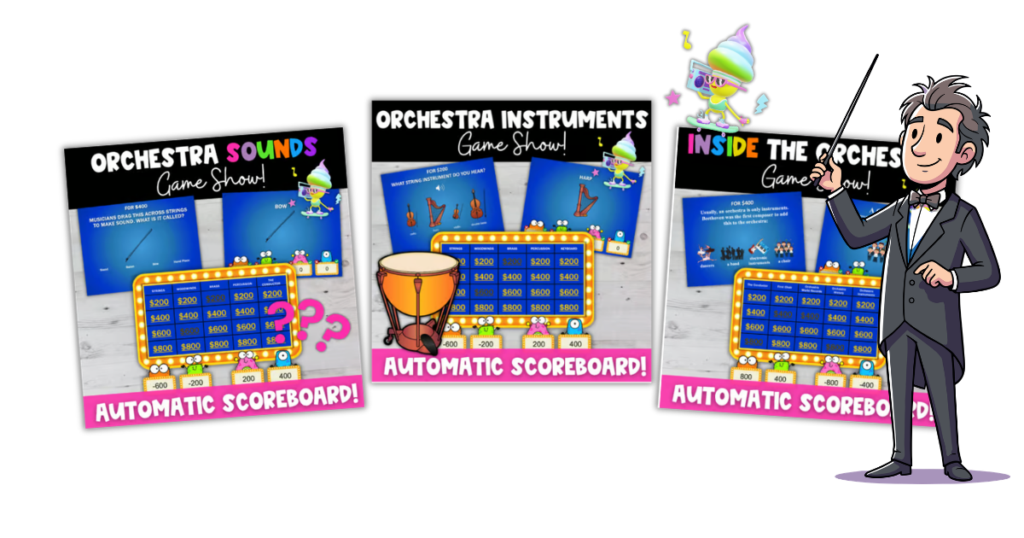
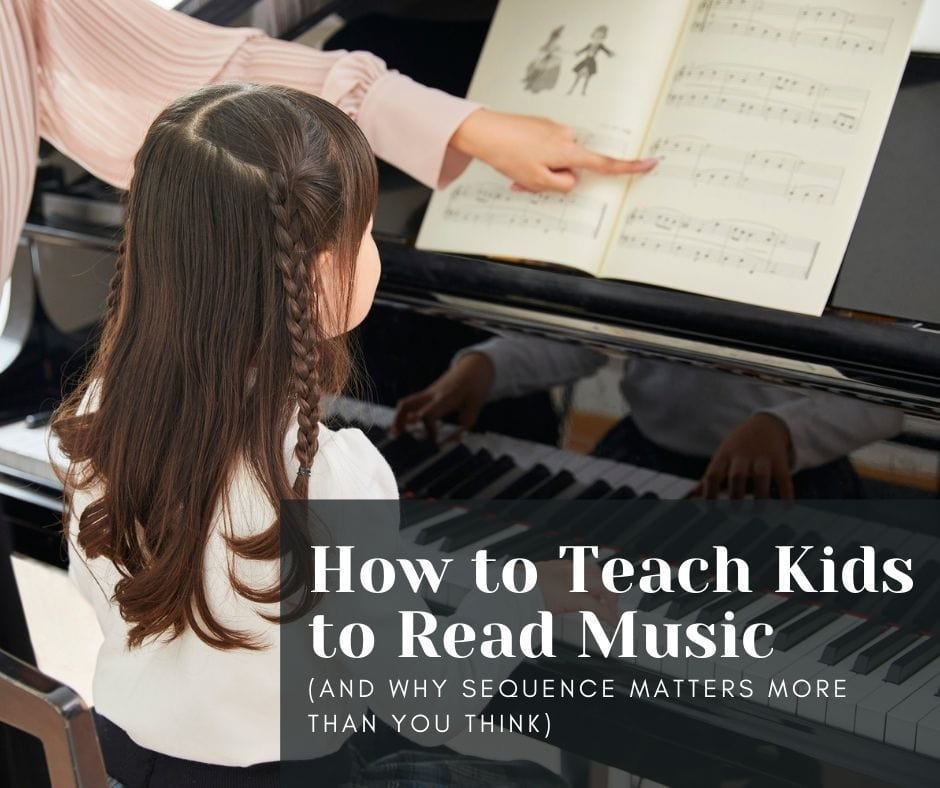
How to Teach Kids to Read Music (and Why Sequence Matters More Than You Think)

When most kids start piano lessons, they arrive full of excitement. They want to play. They want to make music. They want to sit down at the piano and sound like the songs they love. And then something very familiar happens. Before they can really play, we have to press pause. We have to talk about

How to Teach Kids to Read Music (and Why Sequence Matters More Than You Think) Read More »

Sequential Curriculum for the Music Classroom
When Your Musical Child Doesn’t Fit the “Performer” Mold

When parents put a child in music lessons, the path often feels obvious. Practice.Recitals.Competitions.Maybe a performance degree one day. But there are many musical children who love music deeply… and don’t love the spotlight. This post is about the avenues that are often overlooked — the ones that can allow a musical child to thrive

When Your Musical Child Doesn’t Fit the “Performer” Mold Read More »

Sequential Curriculum for the Music Classroom
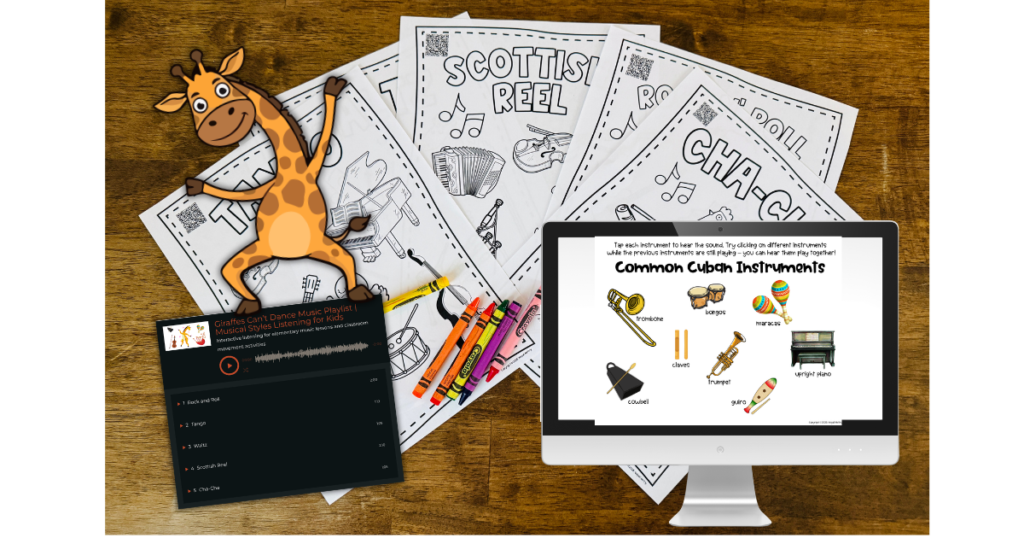
Vivaldi’s The Four Seasons for Kids: An Elementary Music Guide

Vivaldi’s The Four Seasons is one of the most recognizable and engaging pieces of classical music for kids. Its vivid musical imagery, clear contrasts, and seasonal themes make it an excellent choice for elementary music classrooms and homeschool lessons. In this guide, you’ll learn: Who Was Antonio Vivaldi? Antonio Vivaldi (1678–1741) was an Italian composer from the Baroque

Vivaldi’s The Four Seasons for Kids: An Elementary Music Guide Read More »

Sequential Curriculum for the Music Classroom
The Music Alphabet Explained: Why A–G Is the Foundation of Music Literacy

Before students can read music fluently, play an instrument, or understand how melodies work, they must first learn one essential concept: the music alphabet. Just like learning to read words begins with the alphabet, learning to read music begins with understanding how musical letters work — A, B, C, D, E, F, and G — and how they

The Music Alphabet Explained: Why A–G Is the Foundation of Music Literacy Read More »

Sequential Curriculum for the Music Classroom
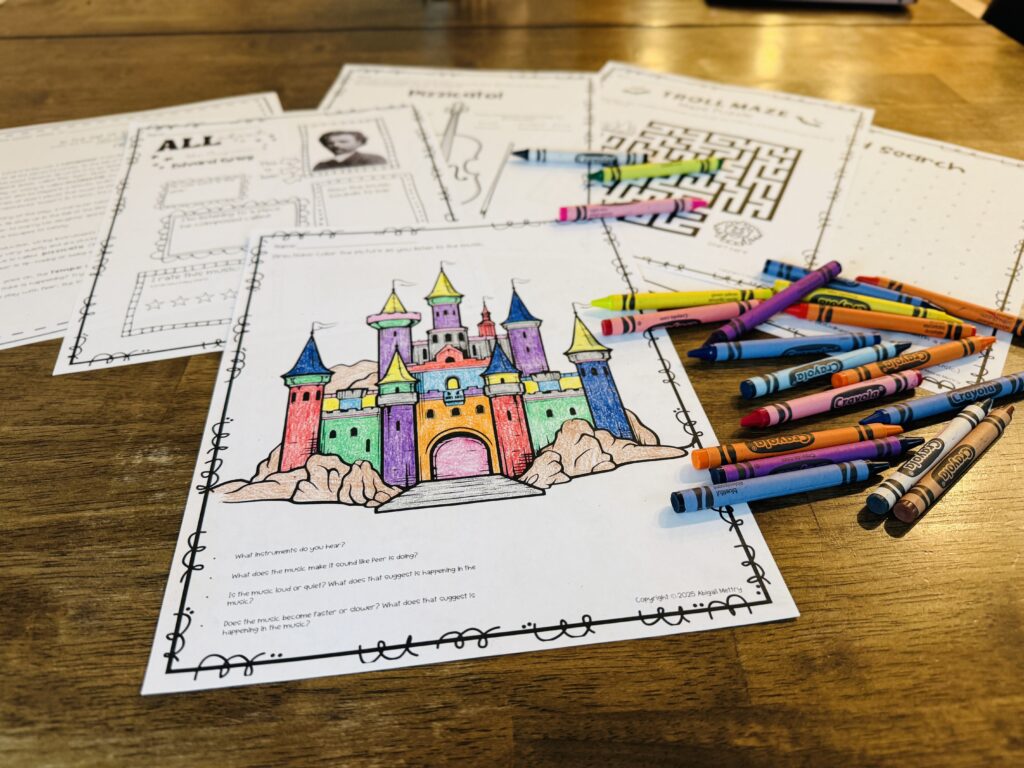
How to Teach the Orchestra: A Simple, Effective Approach for Elementary Music

Teaching the orchestra can feel intimidating—especially if it’s not your main instrument or area of expertise. With dozens of instruments, unfamiliar sounds, and limited class time, it’s easy for orchestra units to feel overwhelming. The good news? Teaching the orchestra doesn’t have to be complicated – and it is a gold-mine of fun, rich learning

How to Teach the Orchestra: A Simple, Effective Approach for Elementary Music Read More »

Sequential Curriculum for the Music Classroom
Free Orchestra Instrument Flashcards for Elementary Music Teachers

Teaching the orchestra instrument families doesn’t have to feel overwhelming!These free Orchestra Instrument Flashcards make it easy for students to learn and remember which instruments belong to the String, Woodwind, Brass, and Percussion families — through a fun, hands-on sorting game. Whether you teach general music, elementary band, or homeschool fine arts, these cards are a perfect no-prep activity

Free Orchestra Instrument Flashcards for Elementary Music Teachers Read More »

Sequential Curriculum for the Music Classroom
Digital graphic with a cartoon orchestra illustration over a purple and orange sunset background. White bold text reads: 'A Music Teacher’s Secret to a Calm, Focused End of Music Class.' At the bottom, there’s an image of the book 'A Child’s Introduction to the Orchestra' alongside printed activity worksheets

A Music Teacher’s Secret to a Calm, Focused End of Music Class

If you’ve ever had those last 5–10 minutes of music class turn into a whirlwind of chatter and fidgeting, you’re not alone. The transition between your class and the next activity can be tricky—students are excited, energy is high, and the classroom teacher is soon to show up at the door. Here’s the simple shift

A Music Teacher’s Secret to a Calm, Focused End of Music Class Read More »

Sequential Curriculum for the Music Classroom
Shopping Cart