By Abigail Mettry | Wildflower Music
Scott Joplin’s music is instantly recognizable. With its lively melodies, bouncing rhythms, and unexpected accents, ragtime has a way of making listeners want to move. But behind the cheerful sound of pieces like Maple Leaf Rag and The Entertainer is the remarkable story of a musician who helped shape American music.
Known as the King of Ragtime, Scott Joplin was much more than a talented pianist. He was a composer, teacher, and musical innovator who believed that ragtime deserved to be taken as seriously as classical music.
His life provides a fascinating introduction to American music history, and his compositions offer wonderful opportunities to teach rhythm, syncopation, and active listening in the elementary music classroom.
Scott Joplin’s Childhood: A Young Musician in Texas
Scott Joplin was born in northeastern Texas, probably sometime between 1867 and early 1868. Although November 24, 1868, is often given as his birthday, historians have not established his exact birth date.
He grew up in Texarkana, a town on the border of Texas and Arkansas. His father, a formerly enslaved man, worked as a laborer, while his mother helped support the family by cleaning houses.
Music was part of the Joplin household from an early age. Young Scott showed an extraordinary interest in learning instruments, especially the piano.
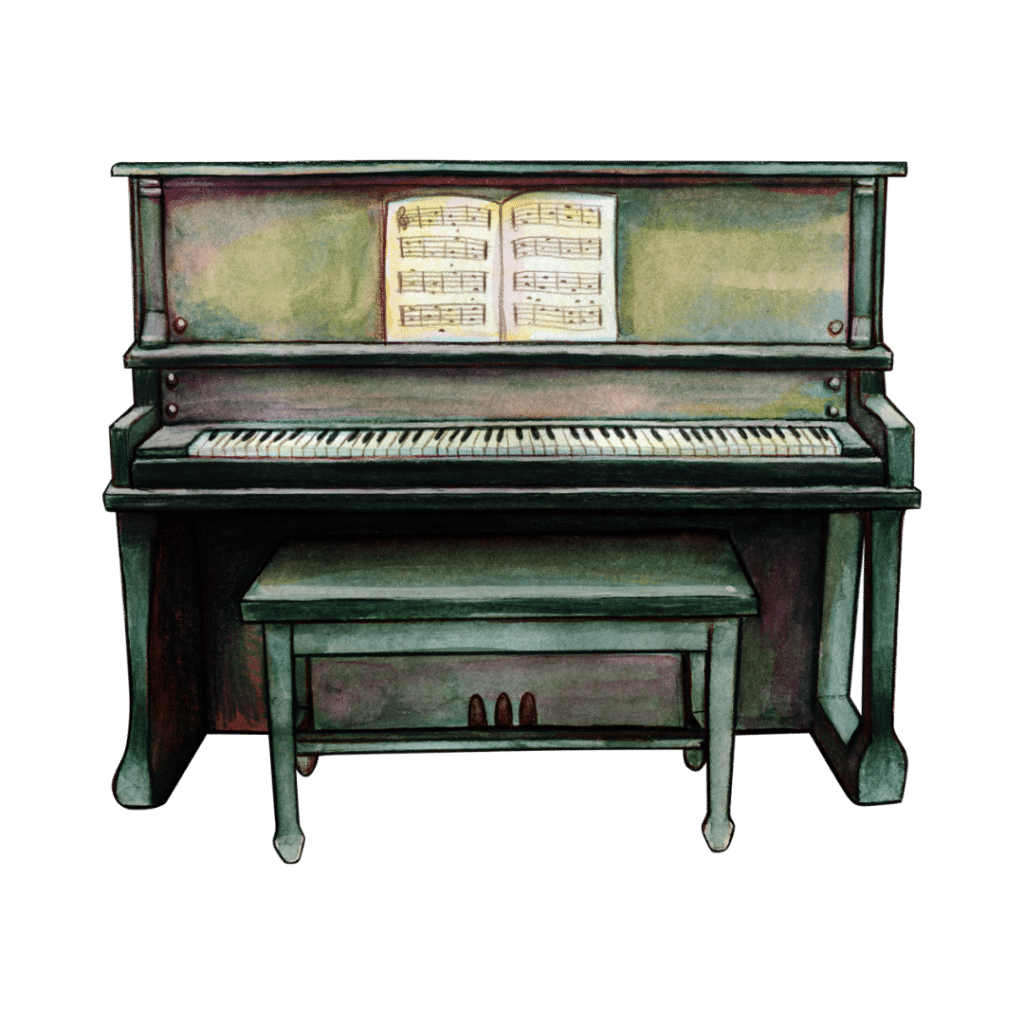
Fun Fact: Scott Joplin practiced piano in other people’s homes!
According to accounts of his childhood, Joplin’s mother worked in homes where he was sometimes allowed to practice on the piano. These opportunities helped him develop his musical abilities at a time when his family could not afford a piano of their own.
As a child, Joplin reportedly practiced on a piano in a house where his mother worked. Imagine becoming one of America’s most famous composers without even owning your own piano!
The German Music Teacher Who Changed His Life
One of the most important people in Joplin’s early musical development was Julius Weiss, a German-born music teacher who recognized the young musician’s talent.
Weiss gave Joplin music lessons without charging him. He introduced Scott to music theory, harmony, classical music, and opera.
These lessons had a lasting influence. Although Joplin became famous for ragtime, he developed a deep appreciation for European classical music and dreamed of composing large-scale musical works.
Joplin’s story offers a wonderful opportunity to remind students that a good teacher can make an enormous difference in someone’s life.

Fun Fact: Joplin’s music teacher was from Germany!
Julius Weiss helped introduce young Scott to classical music and opera. Years later, Joplin would compose operas of his own!
From Traveling Musician to the King of Ragtime
As a young man, Joplin traveled and performed throughout the Midwest. Eventually, he spent several important years in Sedalia, Missouri, a city that would become closely associated with ragtime music.
He performed at local gatherings and social clubs, including the Maple Leaf Club. He also studied music, taught other musicians, and began publishing his own compositions.
In 1899, Joplin published the piece that would change his career: Maple Leaf Rag.
The composition became enormously popular, eventually selling more than a million copies of sheet music. At a time when families often bought printed music to play at home, this was an extraordinary achievement.
The success of Maple Leaf Rag helped establish Joplin as the King of Ragtime.

Fun Fact: Maple Leaf Rag sold over a million copies!
Long before streaming music, people purchased sheet music to play their favorite songs at home. Maple Leaf Rag, published in 1899, eventually sold more than a million copies!
What Makes Ragtime Music So Special?
Ragtime developed within African American musical traditions during the late 1800s and became one of the most popular styles of American music around the turn of the twentieth century.
One of its most recognizable features is syncopation.
In ragtime, the left hand of the piano often provides a steady, march-like beat while the right hand plays melodies with accents in unexpected places.
These accents, especially those that fall between or off the main beats, give ragtime its lively, bouncing character.
For elementary students, a simple explanation is:
Syncopation happens when music emphasizes notes that fall off the regular beat.
Try This: Feel the Beat in Ragtime
Play a short excerpt of Maple Leaf Rag and ask students to pat the steady beat on their knees.
Then challenge them to listen to the melody.
Does the melody always line up with the beat they’re patting?
Students may notice that the melody seems to jump around the steady pulse. This is a great introduction to syncopation without requiring students to read complicated rhythms.
Fun Fact: Ragtime gets its name from its “ragged” rhythms!
The word ragtime refers to the syncopated, or ragged, rhythmic patterns that give the music its distinctive sound.
Scott Joplin’s Most Famous Compositions
Although Joplin wrote dozens of compositions, two pieces remain especially recognizable today.
Maple Leaf Rag (1899)
Maple Leaf Rag helped launch Joplin’s career and became one of the defining works of ragtime.
Its steady bass pattern and syncopated melody make it an excellent listening example for helping students distinguish between beat and rhythm.
Ask students: Can you keep a steady beat while the melody plays a different rhythm?
The Entertainer (1902)
The Entertainer is another of Joplin’s best-known compositions. Published in 1902, it became especially popular again during the 1970s after appearing in the movie The Sting.
Its memorable melody and contrasting sections provide opportunities for discussing repetition, musical phrases, and form.
Ask students: When do you hear a familiar melody return? What changes when a new section begins?
Other Pieces Worth Exploring
For teachers who want to introduce students to more of Joplin’s music, consider The Easy Winners, Pine Apple Rag, The Cascades, and Solace.
These compositions demonstrate the variety of moods and musical ideas within Joplin’s work.
Scott Joplin Had Bigger Dreams Than Ragtime
Although Joplin became famous for his piano rags, he wanted to be recognized as a serious composer.
He wrote stage works, including operas, at a time when opportunities for African American composers were severely limited by racial discrimination.
One of his most ambitious projects was an opera called Treemonisha, which he published in 1911.
The opera tells the story of a young African American woman who uses education and leadership to help her community. Its message reflects Joplin’s belief in the importance of learning and education.
Unfortunately, Joplin was unable to secure a fully staged production of Treemonisha during his lifetime.
He died in New York City on April 1, 1917.
Decades later, his music experienced a remarkable revival. Treemonisha received a full production in 1972, and in 1976, Joplin was awarded a special posthumous Pulitzer Prize for his contributions to American music.
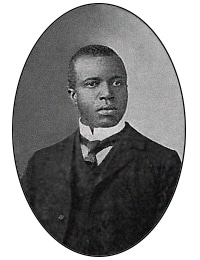
Fun Fact: Scott Joplin won a Pulitzer Prize almost 60 years after his death!
Joplin never lived to see the full recognition of his work. In 1976, he received a special Pulitzer Prize honoring his important contributions to American music.
4 Easy Ways to Teach Scott Joplin in Elementary Music
Joplin’s compositions offer many opportunities to connect music history with active music-making.
1. Compare steady beat and syncopation.
Play Maple Leaf Rag and have students pat the steady beat while listening for the rhythm of the melody. Older students can discuss how the two parts work together.
2. Play a ragtime listening identification game.
Introduce short excerpts from Maple Leaf Rag, The Entertainer, and The Easy Winners. After listening several times, challenge students to identify each composition by ear.
3. Explore musical form.
Use The Entertainer to help students recognize contrasting musical sections. Have students use different movements for different sections and notice when familiar material returns.
4. Turn composer history into a class competition.
After introducing Joplin’s life and music, review important facts through an interactive quiz or team challenge. Include questions about ragtime, famous compositions, music vocabulary, and Joplin’s childhood.
Want a Ready-Made Learning Activity for Kids?

Looking for a fun way to teach your students about Scott Joplin?
This Scott Joplin Jeopardy-Style Music Game combines composer history, ragtime listening, and music vocabulary in an interactive PowerPoint activity designed for elementary music classes.
The game includes 20 questions across five categories:
- Meet Scott Joplin
- Ragtime Music
- Famous Music
- Vocabulary
- Joplin’s Life
Students can work in up to four teams, answer multiple-choice questions, identify musical examples, and earn points using the automatic scoreboard. There’s even a surprise double-points challenge!
Shop the Scott Joplin Music Game
It’s a great way to conclude a Scott Joplin composer study or review musical concepts while introducing students to one of America’s most influential composers.
Why Scott Joplin Still Matters
Scott Joplin’s influence extends far beyond the ragtime era. His compositions helped establish ragtime as an important American musical style, and its syncopated rhythms influenced the development of jazz and later popular music.
For elementary students, his story provides more than an introduction to a famous composer. It’s an opportunity to explore American history, discover how musical styles develop, and learn about a musician who continued pursuing his artistic goals despite significant obstacles.
And perhaps most importantly, his music is simply wonderful to listen to!
The next time you introduce your students to Maple Leaf Rag or The Entertainer, take a few minutes to share the fascinating story behind the music. You may inspire a future composer sitting in your classroom.
Further Reading and Historical Sources
- Library of Congress — Scott Joplin Biography
- Scott Joplin International Ragtime Foundation — Joplin Biography
- Library of Congress — Treemonisha
- Texas State Historical Association — Scott Joplin

About the Author
Abigail Mettry is a music educator, composer, arranger, and pianist who creates engaging music resources for elementary classrooms and homeschool families. Her work combines music education with professional composing and arranging experience to help children build strong musical foundations. Learn more about Abigail.